

At Upstate Canine Academy, we believe that the foundation of successful training begins long before a leash is clipped on or a command is given — it starts with understanding your dog’s genetics. Every breed, and every individual dog, comes with a unique set of traits influenced by generations of selective breeding. These traits shape everything from energy levels and work drive to how your dog reacts in new situations.
When owners understand these genetic influences, they can create realistic expectations, train more effectively, and avoid common frustrations. This approach not only improves dog behavior but also strengthens the bond between you and your canine companion.
Watch: LIVE Dog Training Help – Ask Your Questions!
Before diving deeper, watch our latest video where we answer real-time training questions, address common challenges, and give expert insights on how to work with your dog’s natural tendencies:
▶ LIVE Dog Training Help – Ask Your Questions!
This session is a great starting point for understanding how we approach training at Upstate Canine Academy — focusing on communication, structure, and respect for your dog’s instincts.
The Genetic Blueprint of Your Canine Companion
Every dog carries a genetic code that acts like an internal blueprint. These genes influence their temperament, work drive, sociability, and even how quickly they respond to training. Understanding this blueprint is like having a manual for your dog before you start teaching them new skills.
Why Genetics Matter in Training
Just like people, dogs are individuals. Two dogs may both know the same command, but one might respond instantly while the other hesitates. Often, this difference comes down to genetic predispositions.
- Temperament Control: Genetics influence whether a dog is naturally confident, cautious, or somewhere in between.
- Activity Levels: Some dogs thrive on constant movement, while others prefer shorter bursts of activity.
- Learning Styles: Certain breeds may excel in repetitive tasks, while others prefer problem-solving activities.
When training is built around these natural traits, you create a more cooperative learning environment.
Setting Realistic Expectations
A key part of working with dog behavior is setting expectations that match your dog’s genetic makeup. A mismatch between your dog’s natural instincts and your training goals can lead to frustration for both of you.
Example:
- Expecting a Border Collie to be satisfied with two short walks a day may lead to restlessness or unwanted behaviors like chewing or digging.
- Expecting a Bulldog to run alongside you for long distances may be unrealistic given their structure and endurance levels.
When you respect your dog’s limitations and work with their strengths, you create a happier and more successful training experience.
Decoding Breed Traits: What Your Dog’s Ancestry Reveals
Dogs were originally bred to perform specific tasks, and those instincts remain strong even in modern family pets. Recognizing these tendencies helps you channel them into positive behaviours rather than fighting against them.
- Herding Dogs (Border Collies, Australian Shepherds): Often excel in activities like agility or advanced obedience. They may try to herd people, other pets, or even moving objects.
- Hunting Dogs (Beagles, Pointers): Possess strong scent-tracking skills and may be prone to wandering off if not supervised.
- Retrievers (Labradors, Golden Retrievers): Love carrying and retrieving objects, making fetch games a natural fit.
- Guarding Breeds (Mastiffs, Rottweilers): Protective instincts mean they are alert to changes in their environment and can make excellent watchdogs.
Case Study: Burley and Lakota
Real-life examples make it easier to understand just how influential genetics can be:
- Burley, a Giant Mastiff, has a calm, watchful personality. His protective nature is deeply rooted in his breed history, making him naturally alert to anything unusual in his surroundings.
- Lakota, a Dutch Shepherd, is a bundle of high energy. She thrives on constant engagement, whether it’s training, play, or structured work.
Both dogs are intelligent and capable learners — but their different genetic blueprints require different training strategies.
The Nuance of “Suppression” in Dog Training
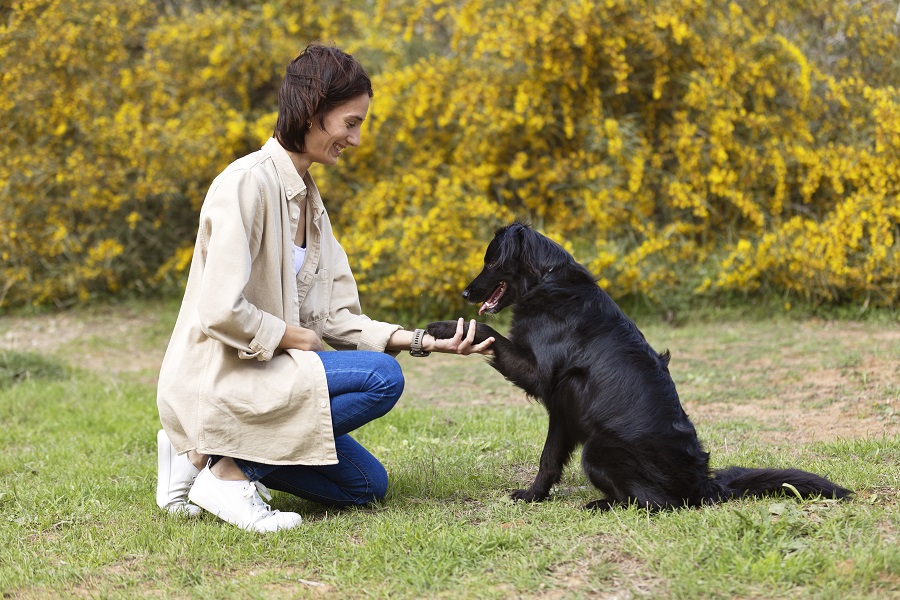
Suppression is often misunderstood in the dog training world. In reality, it’s simply about controlling or redirecting a behaviour rather than allowing it to happen unchecked.
What Suppression Really Means
- It’s not about punishing a dog for natural instincts.
- It is about helping them manage impulses in a way that’s safe and acceptable.
Fair Suppression Examples:
- Using a leash to guide a dog away from a distraction.
- Asking for a “stay” when someone is approaching.
- Redirecting a lunge into a sit command.
These techniques teach dogs self-control, which is essential for safety and good manners.
Building a Strong Foundation: Management, Communication, and Expectations
A strong foundation is what allows training to succeed long-term.
Management Systems
Good management prevents unwanted habits from forming. This might include:
- Controlled environments during training.
- Supervised interactions with other dogs.
- Consistent rules for behaviour inside and outside the home.
Clear Communication
The clearer your communication, the quicker your dog learns. This means using consistent commands, tones, and body language so your dog understands exactly what’s expected.
Aligning Expectations
A realistic view of your dog’s abilities leads to a better relationship. For example:
- Don’t expect a high-drive working breed to be content with minimal stimulation.
- Don’t expect a guard breed to treat every stranger like a friend without proper introductions.
Addressing Common Owner Questions and Scenarios
Confidence Building for Elderly or Recovering Dogs
Confidence can be rebuilt with gentle, consistent exposure to new environments and experiences. Keep sessions short and positive to avoid overwhelming them.
Reintroducing Dogs After Conflict
When dogs have a conflict, management is crucial. Gradual reintroductions, using positive associations, often work best.
Handling Breed-Specific Challenges
- Chows: Can be independent thinkers; need patience and consistency.
- Mastiffs: Require well-fitted collars and mindful handling due to their size and strength.
- Greyhounds: Need secure containment due to high prey drive.
Managing Reactivity and Fear
Teach your dog what to do instead of simply telling them “no”. Redirect energy into structured obedience exercises.
Also read: Managing Reactivity During Walks: Tips for Calm Dog Walks
Practical Puppy Training Commands for a Strong Start
Puppy training sets the tone for lifelong behaviour. At Upstate Canine Academy, we recommend starting with essential commands:
- Sit: Encourages calm behaviour.
- Stay: Builds impulse control.
- Come: Ensures safety when off-leash.
- Heel: Improves leash manners.
- Place: Helps a dog settle in any situation.
These commands lay the groundwork for more advanced skills — explore them in 5 Daily Dog Training Commands to Build a Stronger Bond.
The Role of Expert Dog Training and Support Services
Sometimes, owners need professional guidance to address specific challenges or refine their dog’s skills. We offer:
- Expert dog training programmes for all breeds and ages.
- Aggression Dog Training for dogs needing behavioral rehabilitation.
- Dog Boarding Albany NY, for immersive training experiences during boarding stays.
We work with your dog’s natural instincts to create lasting, positive results.
Why Genetics Don’t Limit Your Dog’s Potential
While genetics influence tendencies, they don’t place a ceiling on what your dog can learn. They simply shape how you approach training. A well-structured plan that respects your dog’s instincts leads to remarkable progress.
Quick Tips for Aligning Training With Your Dog’s Nature
- Match activities to your dog’s drive and stamina.
- Redirect instincts into constructive outlets.
- Use impulse-control exercises daily.
- Keep commands and expectations consistent.
Conclusion: Genetics as Your Training Roadmap
Understanding your dog’s genetics gives you a roadmap for successful training. At Upstate Canine Academy, we combine that knowledge with clear communication, realistic expectations, and consistent management to help you build a strong, cooperative partnership with your dog. Whether you’re part of our No Bed Dog Army community or just starting your training journey, you can count on our proven approach to deliver real results. You can view our reviews on our Google Business profile and follow our daily updates to see how we’re transforming dogs and their owners every day.
Ready to Work With Your Dog’s Nature?
Transform your dog’s training by working with their instincts rather than against them.
? Book your training session today with Upstate Canine Academy – Let’s create a plan that works for both you and your dog.